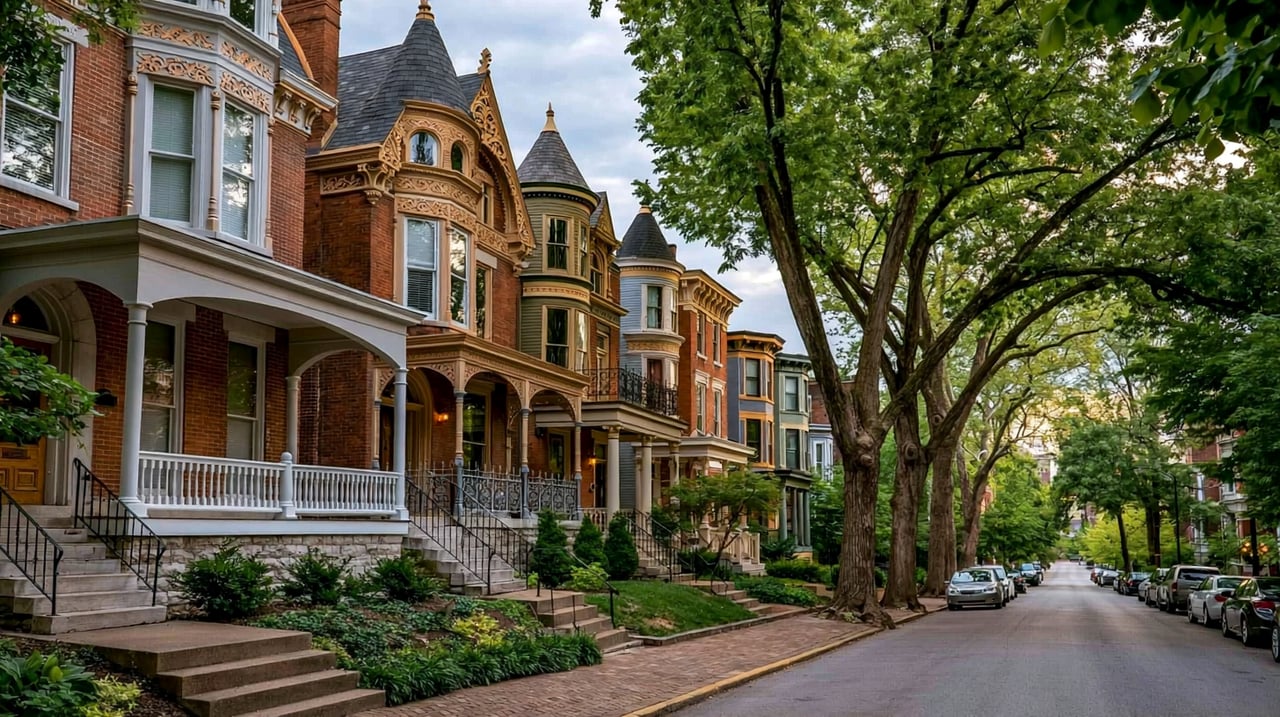
Cherokee Triangle is a historic district in Louisville's Highlands, about 3 miles east-southeast of downtown Louisville in Jefferson County, Kentucky. It is bordered by Cave Hill Cemetery to the north, Baxter Avenue and Bardstown Road to the west, and Cherokee Park to the east. Louisville made it a local preservation district in 1975, and it was listed on the National Register of Historic Places in 1976. Most of its homes went up from the 1880s into the early 1900s, after Cherokee Park opened next door.
The neighborhood is mostly residential. Cherokee Parkway and Willow Avenue cross it, and Cherokee Road follows the edge of the park. Willow Park, at Cherokee Road and Willow Avenue, is the small green at the center of the neighborhood, with a playground and a pavilion.
The Bardstown Road commercial strip runs along the western side, so shops and restaurants are a short walk from most blocks. To the east, the streets end at Cherokee Park and its wooded Beargrass Creek valley. To the north, Cave Hill Cemetery closes off the neighborhood.
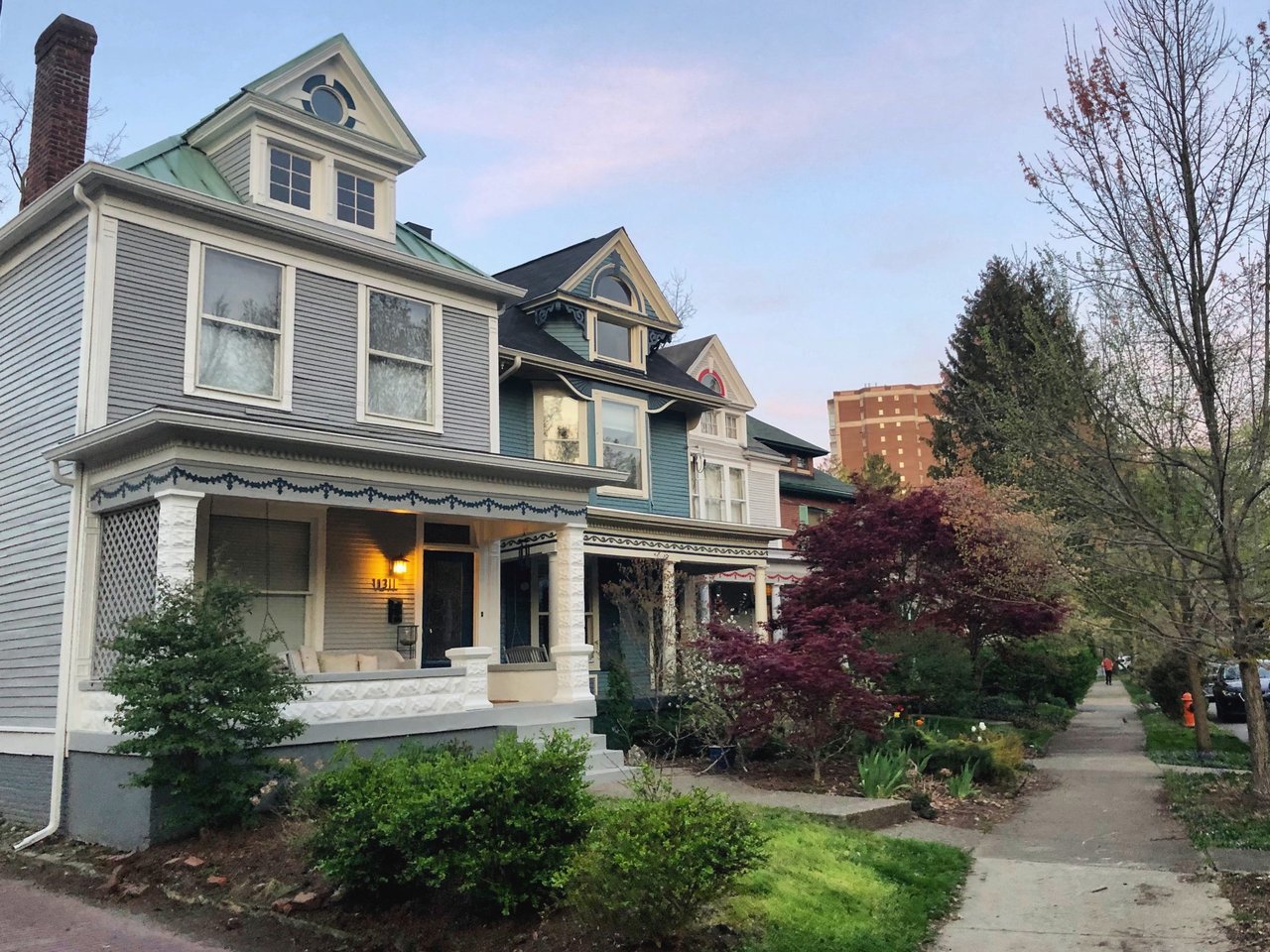
Most homes are single-family houses in late Victorian styles and in the revival styles popular in the late 1800s and early 1900s. The neighborhood also has a good number of apartments, both in purpose-built apartment buildings and in large older houses that were divided into units. Because it is a local preservation district, most exterior changes need a Certificate of Appropriateness from Louisville Metro before work begins.
Bardstown Road and Baxter Avenue run along the west side. Cherokee Parkway, Cherokee Road and Grinstead Drive lead through and around the park, and Eastern Parkway is just to the south. Downtown Louisville is about 10 to 15 minutes by car without heavy traffic. TARC buses serve parts of the area; check ridetarc.org for current routes.
Park near Willow Park on Cherokee Road. Walk west on Willow Avenue toward Bardstown Road to see the houses, then loop back along Cherokee Parkway. Finish by crossing Cherokee Road into Cherokee Park and walking part of the Scenic Loop.
Is Cherokee Triangle a historic district?
Yes, in two ways. It has been a Louisville local preservation district since 1975, and many of its properties are part of the Cherokee Triangle Area Residential District, listed on the National Register of Historic Places in 1976.
Do I need approval to change the outside of a house here?
Often, yes. Exterior changes in the preservation district usually need a Certificate of Appropriateness, reviewed by Louisville Metro staff or the Cherokee Triangle Architectural Review Committee. Check a specific address with the LOJIC online map.
Which school district serves Cherokee Triangle?
Jefferson County Public Schools (JCPS) is the public school district for Cherokee Triangle.
Cherokee Triangle is part of The Highlands. Crescent Hill and Clifton are a short drive north past Cave Hill Cemetery.
Properties
A live look at the market, updated every 15 minutes. Tap any home to book a tour.
3,890 people live in Cherokee Triangle, where the median age is 43 and the average individual income is $82,937. Data provided by the U.S. Census Bureau.
Total Population
Median Age
Population Density Population Density This is the number of people per square mile in a neighborhood.
Average individual Income
Cherokee Triangle has 2,320 households, with an average household size of 2. Data provided by the U.S. Census Bureau. Here’s what the people living in Cherokee Triangle do for work — and how long it takes them to get there. Data provided by the U.S. Census Bureau. 3,890 people call Cherokee Triangle home. The population density is 7,638 and the largest age group is Data provided by the U.S. Census Bureau.
Total Population
Population Density Population Density This is the number of people per square mile in a neighborhood.
Median Age
Men vs Women
Population by Age Group
0-9 Years
10-17 Years
18-24 Years
25-64 Years
65-74 Years
75+ Years
Education Level
Total Households
Average Household Size
Average individual Income
Households with Children
With Children:
Without Children:
Marital Status
Blue vs White Collar Workers
Blue Collar:
White Collar:
Connecting you to the area
Guides to what each area is like to live in, what is for sale, and what homes are selling for.